
Jan
What is a barbiturate and what does it do? | Complete Guide to Effects, Uses & Legality
What is a barbiturate and what does it do? Uncover the truth about barbiturates: what they are, how they work, their medical uses, side effects, and legal status in the UK, USA, Germany & Australia. Buy research barbiturates from Chem14.com today.
At Chem14.com, we provide premium barbiturate compounds for research purposes only. Our barbiturates for sale are high-purity analytical standards used in pharmacological studies, forensic analysis, and chemical research. Buy barbiturates online from a trusted research chemical vendor with fast shipping to the USA, UK, Germany, Australia, and Asia. All products are lab-tested for accuracy and consistency. Order barbiturates in the UK or USA today for reliable, discrete delivery.
🔗 Buy barbiturate online | Chem14.com
🧪 What is a barbiturate and what does it do?
| Quick Facts About Barbiturates | |
|---|---|
| Chemical Class | Depressant drugs derived from barbituric acid |
| Primary Uses | Anticonvulsants, sedatives, anesthetics |
| Mechanism | GABAA receptor positive allosteric modulators |
| Legal Status | Controlled substances in UK, USA, Germany, Australia |
| Risk Level | High (addiction, overdose, withdrawal risks) |
| Replacement | Largely replaced by benzodiazepines in medical practice |
🔍 What is a barbiturate?
Barbiturates are a class of depressant drugs chemically derived from barbituric acid that act as central nervous system depressants.
These compounds were first synthesised in 1864 by German chemist Adolf von Baeyer and later perfected in 1879 by French chemist Edouard Grimaux. The parent compound, barbituric acid (IUPAC name: 1,3-diazinane-2,4,6-trione), itself has no direct effect on the central nervous system. However, chemists have derived over 2,500 pharmacologically active compounds from this structure.
Chem14.com offers high-quality barbiturate reference standards for research applications. Our barbiturate for-sale products are lab-tested for purity and consistency.
🔗 Barbiturate for sale | Chem14.com
🧬 Chemical and pharmacological profile
What is the chemical structure of barbiturates?
Barbiturates share a common pyrimidine-2,4,6-trione core structure with various substituents at the 5-position determining their pharmacological properties.
The basic barbituric acid structure consists of a pyrimidine ring with three carbonyl groups at positions 2, 4, and 6. Different barbiturate compounds have various alkyl or aryl groups attached to the 5-carbon of the ring, which influences their:
- Lipid solubility
- Duration of action
- Potency
- Metabolic stability
Common barbiturates and their CAS numbers
| Compound | CAS Number | Duration of Action | Primary Medical Use |
|---|---|---|---|
| Barbital | 57-44-3 | Long-acting | Sedative, anticonvulsant |
| Phenobarbital | 50-06-6 | Long-acting | Anticonvulsant, sedative |
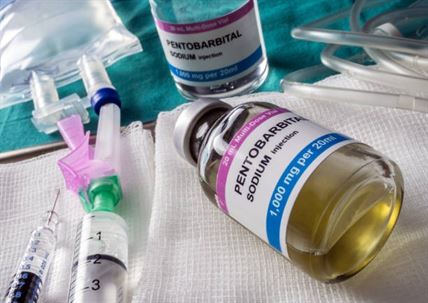
| Pentobarbital | 57-33-0 | Short-acting | Anesthetic, euthanasia |
| Secobarbital | 76-73-3 | Short-acting | Hypnotic, sedative |
| Amobarbital | 57-43-2 | Intermediate-acting | Sedative, hypnotic |
| Butabarbital | 125-40-6 | Intermediate-acting | Sedative, hypnotic |
| Methohexital | 151-83-7 | Ultrashort-acting | Anesthetic |
| Thiopental | 71-73-8 | Ultrashort-acting | Anesthetic induction |
Source: Cayman Chemical barbiturate standards
Chem14.com provides analytical reference standards for these compounds. Buy phenobarbital online, buy pentobarbital online, or order barbiturate research chemicals for your laboratory studies.
🔗 Buy research chemicals online | Chem14.com
⚙️ Mechanism of action
How do barbiturates work in the brain?
Barbiturates act as positive allosteric modulators and direct agonists of GABA-A/sub> receptors, increasing chloride ion channel opening duration.
The primary mechanism involves:
- GABA<sub>A</sub> receptor modulation: Barbiturates bind to multiple homologous transmembrane pockets at subunit interfaces on the GABA<sub>A</sub> receptor complex
- Chloride channel enhancement: They increase the duration of chloride ion channel opening, enhancing GABA’s inhibitory effects
- Direct receptor activation: At higher concentrations, barbiturates can directly activate the GABA<sub>A</sub> receptor (unlike benzodiazepines, which only enhance GABA’s effects)
- Glutamate receptor inhibition: Barbiturates block AMPA and kainate receptors, which are ionotropic glutamate receptors
- Calcium channel modulation: At high concentrations, they inhibit Ca²⁺-dependent neurotransmitter release via effects on P/Q-type voltage-dependent calcium channels
This dual mechanism (enhancing inhibitory neurotransmission while suppressing excitatory neurotransmission) explains why barbiturates have more potent CNS-depressant effects compared to benzodiazepines.
Source: PsychonautWiki barbiturate mechanism
⚕️ Medical uses of barbiturates
What are barbiturates used for medically?
Barbiturates are primarily used today as anticonvulsants for epilepsy and general anaesthetics with limited applications as sedatives.
Current medical applications
Anticonvulsant therapy
- Phenobarbital remains a first-line treatment for epilepsy, particularly in developing countries, due to its low cost and effectiveness
- Used for generalized tonic-clonic seizures and partial seizures
- Often used in neonatal seizures and status epilepticus
Anesthesia
- Thiopental (ultrashort-acting) is used for induction of general anesthesia
- Methohexital is used for short surgical procedures and electroconvulsive therapy
- These compounds allow rapid induction and quick recovery when needed
Other uses
- Treatment of acute migraines or cluster headaches
- Management of intracranial hypertension
- Medical aid in dying (euthanasia) in countries where legal
- Veterinary medicine for euthanasia of animals
Historical medical uses
Barbiturates were widely prescribed from the 1910s to the 1970s for the following:
- Anxiety disorders (as anxiolytics)
- Insomnia (as hypnotics)
- Sedation before surgery
- Alcohol withdrawal management
However, due to their high risk of dependence, tolerance, and overdose, they have been largely replaced by benzodiazepines (such as diazepam and alprazolam) and nonbenzodiazepine hypnotics (such as zolpidem and zaleplon).
Source: Drugs.com barbiturate uses
⚠️ Side effects and risks
What are the side effects of barbiturates?
Barbiturates cause significant central nervous system depression, with common side effects including drowsiness, confusion, and respiratory depression.
Common side effects
- Drowsiness and sedation
- Dizziness and lightheadedness
- Nausea and vomiting
- Headache
- Hypotension (low blood pressure)
- Skin rash or allergic reactions
- Vertigo
Serious side effects
- Confusion and disorientation
- Memory impairment and cognitive dysfunction
- Hallucinations (especially during withdrawal)
- Fainting or syncope
- Slow breathing (respiratory depression)
- Coma
- Death (from overdose)
Rare but severe side effects
- Agranulocytosis (severe white blood cell deficiency)
- Stevens-Johnson syndrome (severe skin reaction)
- Liver injury or hepatic necrosis
- Megaloblastic anemia (from folate deficiency)
Source: Wikipedia barbiturate side effects
What are the risks of barbiturate overdose?
Barbiturate overdose causes severe CNS depression, leading to coma and respiratory failure with a narrow therapeutic index.
Symptoms of barbiturate overdose include:
- Sluggishness and incoordination
- Difficulty thinking and faulty judgment
- Slowness of speech
- Shallow breathing (respiratory depression)
- Staggering gait
- Unconsciousness
- Coma
- Death
Risk factors for overdose:
- Tolerance development: With regular use, tolerance develops rapidly (sometimes after just one dose)
- Bioaccumulation: Long-acting barbiturates (like phenobarbital) can accumulate in the body, leading to toxic concentrations even at therapeutic doses
- Polysubstance use: Combining barbiturates with other CNS depressants (alcohol, opioids, benzodiazepines) greatly increases the risk of fatal overdose
- Enzyme induction: Barbiturates induce hepatic CYP enzymes (CYP2C9, CYP2C19, CYP3A4), which can increase the metabolism of other drugs, leading to unpredictable interactions
There is no specific antidote for barbiturate poisoning. Treatment involves supportive care, including:
- Mechanical ventilation for respiratory depression
- Hemodialysis (for phenobarbital overdose, which can reduce half-life by up to 90%)
- Activated charcoal for recent ingestion
- Intravenous fluids and electrolyte correction
What is barbiturate withdrawal?
Barbiturate withdrawal is a potentially fatal condition characterised by seizures, delirium, and autonomic instability.
Withdrawal symptoms typically begin 12-48 hours after the last dose for short-acting barbiturates and 7-10 days after for long-acting barbiturates. Symptoms include:
Early withdrawal (first 24-48 hours)
- Anxiety and restlessness
- Insomnia
- Tremors or shaking
- Nausea and vomiting
- Muscle twitching
Severe withdrawal (48-72 hours and beyond)
- Hallucinations (visual, auditory, or tactile)
- Delirium (confusion, disorientation)
- High fever
- Seizures (grand mal or status epilepticus)
- Cardiovascular collapse
- Death
Barbiturate withdrawal is considered one of the most dangerous withdrawals of any addictive substance. The sudden onset and high lethality make it more severe than alcohol or benzodiazepine withdrawal.
Treatment of barbiturate withdrawal typically involves:
- Gradual tapering of the barbiturate dose
- Conversion to a long-acting benzodiazepine (such as diazepam) followed by slow tapering
- Supportive care in a medical facility (never attempt at home)
- Psychological support and counseling for long-term recovery
Never attempt to quit barbiturates “cold turkey”, as this can result in severe neurological damage, seizures, or death.
⚖️ Legal status of barbiturates
Are barbiturates legal?
Barbiturates are controlled substances in most countries with strict regulations on possession, distribution, and use.
Legal status by country
| Country | Legal Classification | Schedule/Class | Notes |
|---|---|---|---|
| United Kingdom | Controlled under Misuse of Drugs Act 1971 | Class B (most barbiturates), Schedule 3 | Possession without prescription is illegal. Supply is a criminal offence. Some barbiturates (like secobarbital) are Schedule 2 with stricter controls. |
| United States | Controlled under Controlled Substances Act 1970 | Schedule II (amobarbital, pentobarbital, secobarbital), Schedule III (most others), Schedule IV (barbital and phenobarbital) | Federal law prohibits unauthorised possession, distribution, or manufacture. State laws may impose additional restrictions. |
| Germany | Controlled under Betäubungsmittelgesetz (BtMG) | Annex III (most barbiturates) | Prescription-only with strict record-keeping requirements. Illegal to possess without prescription. |
| Australia | Controlled under Poisons Standard | Schedule 4 (Prescription Only) or Schedule 8 (Controlled Drug) | Phenobarbital is Schedule 8. Supply without authorisation is illegal. |
| Canada | Controlled under Controlled Drugs and Substances Act | Schedule III (most barbiturates) | Legal with a prescription but illegal to possess without authorisation. |
Source: UK Misuse of Drugs Act, US Controlled Substances Act
What are the penalties for barbiturate possession?
Penalties for unauthorised possession or distribution of barbiturates vary by country but typically include fines and imprisonment.
- United Kingdom: Class B drugs carry penalties of up to 5 years in prison for possession and up to 14 years for supply or production
- United States: Schedule II barbiturates carry penalties of up to 20 years in federal prison for trafficking and up to 1 year for simple possession
- Germany: Unauthorized possession can result in fines or imprisonment up to 5 years
- Australia: Schedule 8 drugs carry penalties of up to 25 years in prison for trafficking and up to 2 years for possession
Important: Chem14.com sells barbiturates for research purposes only. Our products are not for human consumption. Always comply with local laws and obtain proper licenses before purchasing.
📊 Barbiturate classification by duration of action
| Class | Duration of Action | Examples | Primary Uses |
|---|---|---|---|
| Ultrashort-acting | 15-30 minutes | Thiopental, Methohexital | Anesthesia induction, short surgical procedures |
| Short-acting | 2-4 hours | Pentobarbital, Secobarbital, Amobarbital | Hypnotic, sedation, euthanasia |
| Intermediate-acting | 3-6 hours | Butabarbital and Amobarbital | Sedative, hypnotic, anxiety |
| Long-acting | 6+ hours (up to days) | Phenobarbital, barbital, and Mephobarbital | Anticonvulsant, epilepsy treatment |
💡 Key takeaways about barbiturates
✅ Barbiturates are CNS depressants derived from barbituric acid that enhance GABA-A/sub> receptor function
✅ Primary medical uses today include anticonvulsant therapy (especially for epilepsy) and general anaesthesia.
✅ The mechanism of action involves enhancing inhibitory neurotransmission (GABA) while suppressing excitatory neurotransmission (glutamate)
✅ Side effects range from drowsiness and confusion to respiratory depression, coma, and death in an overdose.
✅ Tolerance and dependence develop rapidly, and withdrawal can be fatal without proper medical supervision
✅ Legal status varies by country but is strictly controlled in UK, USA, Germany, Australia, and most nations
✅ Barbiturates have been largely replaced by benzodiazepines in medical practice due to safety concerns
✅ Research applications include pharmacological studies, forensic analysis, and chemical research
❓ Frequently Asked Questions (FAQ)
🔎 What is the difference between barbiturates and benzodiazepines?
Barbiturates directly activate GABA<sub>A</sub> receptors and have a higher risk of overdose, while benzodiazepines only enhance GABA effects.
| Feature | Barbiturates | Benzodiazepines |
|---|---|---|
| Mechanism | Direct agonists + positive allosteric modulators of GABAA | Positive allosteric modulators only of GABAA |
| Therapeutic Index | Narrow (high overdose risk) | Wider (lower overdose risk) |
| Dependence Risk | Very high | High |
| Withdrawal Severity | Extremely severe (can be fatal) | Severe (can be dangerous) |
| Enzyme Induction | Yes (induces CYP450 enzymes) | Minimal or none |
| Current Medical Use | Limited (anticonvulsants, anesthesia) | Widespread (anxiety, insomnia, seizures) |
| Examples | Phenobarbital, Pentobarbital, Secobarbital | Diazepam, Alprazolam, Lorazepam |
🛒 Where can I buy barbiturates for research?
You can buy barbiturate research chemicals from Chem14.com, a trusted online vendor with high-purity compounds.
Chem14.com offers:
✅ High-purity barbiturate reference standards (≥98% purity)
✅ Lab-tested and certified compounds
✅ Discrete packaging and fast shipping
✅ Competitive pricing and bulk discounts
✅ Secure payment options (Bitcoin, Bitcoin Cash, and , bank transfer)
✅ Worldwide shipping to USA, UK, Germany, Australia, Asia
🔗 Buy barbiturate online | Chem14.com
Important: Our products are for research purposes only and not for human consumption. Always check local laws before ordering.
🌍 Where to buy barbiturates in the USA?
Buy barbiturates in the USA from Chem14.com with fast shipping and high-quality research compounds.
Chem14.com is a leading research chemical vendor in the USA, offering the following:
- Phenobarbital for sale in the USA
- Pentobarbital for sale in the USA
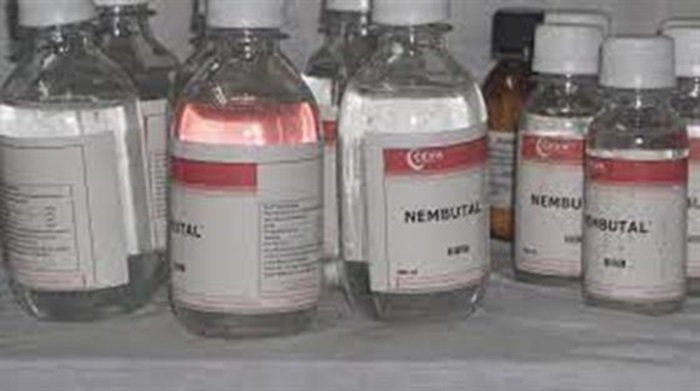
- Nembutal for sale in the USA
- Amobarbital for sale in the USA
All products are lab-tested for purity and consistency and shipped discreetly to your location.
🔗 Barbiturate for sale USA | Chem14.com
🇬🇧 Where to buy barbiturates in the UK?
Buy barbiturates in the UK from Chem14.com with discreet shipping and premium research chemicals.
Chem14.com provides high-quality barbiturates for research purposes in the UK, including the following:
- Phenobarbital for sale in the UK
- Nembutal for sale UK
- Butabarbital for sale in the UK
Note: Barbiturates are Class B controlled drugs in the UK. Ensure you have the proper licenses and comply with all regulations before purchasing.
🔗 Barbiturate for sale UK | Chem14.com
⚕️ What are the best barbiturates for anxiety?
Phenobarbital and butabarbital were historically used for anxiety, but benzodiazepines are now preferred due to safety.
While barbiturates were commonly prescribed for anxiety disorders in the 1950s-1970s, they have been largely replaced by benzodiazepines due to the following:
- Lower risk of overdose
- Wider therapeutic index
- Less severe withdrawal symptoms
- Reduced enzyme induction (fewer drug interactions)
Best alternatives for anxiety (prescription-only):
- Diazepam (Valium)
- Alprazolam (Xanax)
- Lorazepam (Ativan)
- Clonazepam (Klonopin)
Chem14.com offers benzodiazepine research chemicals for laboratory studies.
🔗 Benzodiazepines for sale | Chem14.com
💊 What is the best barbiturate for sleep?
Secobarbital and pentobarbital were historically used for sleep but are no longer recommended due to risks.
Short-acting barbiturates like the following:
- Secobarbital (Seconal)
- Pentobarbital (Nembutal)
- Amobarbital (Amytal)
were commonly prescribed for insomnia in the mid-20th century. However, they have been replaced by safer alternatives:
- Zolpidem (Ambien)
- Zaleplon (Sonata)
- Eszopiclone (Lunesta)
- Benzodiazepines (Temazepam, Triazolam)
Why barbiturates are no longer used for sleep:
- High risk of dependence
- Narrow therapeutic index (easy to overdose)
- Severe withdrawal symptoms
- Residual sedation (hangover effect)
- Rebound insomnia
Chem14.com offers sleep-related research chemicals for scientific studies.
🔗 Research chemicals for sale | Chem14.com
📚 Related Products & Resources
🔬 Other Research Chemical Categories
Chem14.com offers a wide range of research chemicals for laboratory use:
🔹 Tryptamines for sale – Psychedelic research compounds
🔹 Cannabinoids for sale – Synthetic cannabinoid reference standards
🔹 Dissociatives for sale – Ketamine, PCP, and related compounds
🔹 Stimulants for sale – Amphetamine, cathinone derivatives
🔹 Blotter for sale – LSD and lysergamide research chemicals
🔹 Psychedelics for sale – DMT, 5-MeO-DMT, and more
📖 Recommended Reading
📌 What is a barbiturate? | Chem14.com
📌 Barbiturates effects on the body | Chem14.com
📌 The best research chemical vendor in the USA | Chem14.com
📌 Reliable research chemical supplier | Chem14.com
📌 How to find reliable research chemical suppliers | Chem14.com
📌 Legit research chemical vendors USA selling at cheap prices | Chem14.com
📞 Contact Us
Have questions about our barbiturate research chemicals? Our customer support team is here to help!
📧 Email: contact@chem14.com
🌐 Website: Chem14.com
🚀 Order Now & Save
Ready to buy barbiturate research chemicals?
Chem14.com offers:
✅ High-purity compounds (≥98% purity)
✅ Lab-tested and certified
✅ Fast, discrete shipping worldwide
✅ Competitive pricing and bulk discounts
✅ Secure payment options (Bitcoin, credit cards, bank transfer)
⚠️ Important Legal & Safety Information
✅ For research purposes only – Not for human consumption
✅ Not for medical, veterinary, or household use
✅ Comply with all local, state, and federal laws
✅ Obtain proper licenses and permits before purchasing
✅ Store in a secure location away from children and unauthorized persons
✅ Use appropriate personal protective equipment (PPE) when handling
🔍 References & Sources
- Barbiturate – Wikipedia
- Barbiturates: Uses, Side Effects, Interactions – Drugs.com
- Barbital (CAS 57-44-3) – Cayman Chemical
- Phenobarbital (CAS 50-06-6) – Cayman Chemical
- Misuse of Drugs Act 1971 – UK Legislation
- Controlled Substances Act – US DEA
- Barbiturate mechanism – PsychonautWiki
Last updated: July 4, 2026
© 2026 Chem14.com. All rights reserved.