
Aug
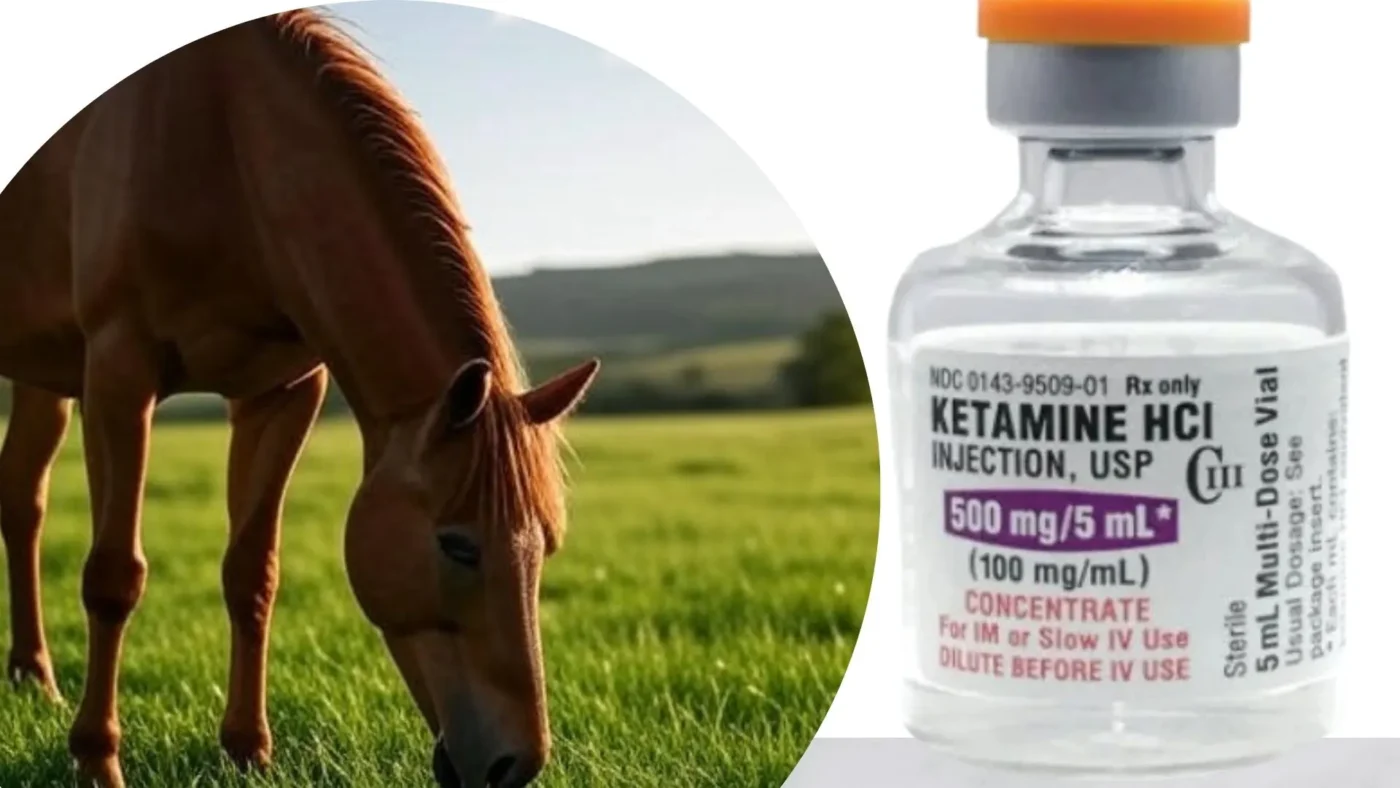
Is ketamine a horse tranquilizer? The Truth About This Powerful Compound
Discover if Is Ketamine a horse tranquilliser? Its uses in medicine and veterinary care, side effects, and where to buy research chemicals safely. Buy ketamine for sale at Chem14.com for premium research chemicals online. Our ketamine hydrochloride (CAS 1867-66-9) offers pharmaceutical-grade purity for scientific studies, veterinary applications, and medical research. Order ketamine online today with fast shipping to the UK, USA, Germany, and Australia. Trust Chem14 as your best research chemical vendor for high-quality compounds with discreet packaging and competitive prices.
🔬 Is ketamine a horse tranquilizer?
Yes, ketamine is used as a horse tranquilizer in veterinary medicine.
Is ketamine a horse tranquilizer? Separating Myth from Medical Reality
Ketamine is one of the most misunderstood compounds in modern medicine. While many associate it with recreational use or its nickname “Special K,” its origins and primary applications are far more significant. The question “Is ketamine a horse tranquilizer?” has a simple answer: yes, but this is only part of the story.
We at Chem14.com provide premium research chemicals, including ketamine hydrochloride (CAS 1867-66-9), for scientific and veterinary research. Our commitment to quality, safety, and legality ensures that researchers, veterinarians, and medical professionals have access to pure, reliable compounds for their work.
This article explores the truth behind ketamine, its chemical profile, medical and veterinary uses, mechanism of action, side effects, and legal status across the UK, USA, Germany, Australia, and Asia. We will also address common misconceptions and provide actionable insights for those interested in buying ketamine for sale for legitimate research purposes.
What is ketamine?
Ketamine is a dissociative anesthetic and NMDA receptor antagonist with analgesic and hallucinogenic properties used in medicine and veterinary care.
🧪 Ketamine Chemical and Pharmacological Profile
Ketamine, scientifically known as (RS)-2-(2-Chlorophenyl)-2-(methylamino)cyclohexanone, is a dissociative anesthetic that belongs to the arylcyclohexylamine class. Its chemical formula is C₁₃H₁₆ClNO, with a molecular weight of 237.73 g/mol. The CAS number for ketamine hydrochloride is 1867-66-9, a critical identifier for researchers and suppliers.
| Property | Details |
|---|---|
| IUPAC Name | (RS)-2-(2-Chlorophenyl)-2-(methylamino)cyclohexanone |
| CAS Number | 1867-66-9 (hydrochloride) |
| Molecular Formula | C13H16ClNO |
| Molecular Weight | 237.73 g/mol |
| Chemical Class | Arylcyclohexylamine |
| Synonyms | CI-581, CL 369, 2-Cl-2′-oxo-PCM, Ket, Special K, vitamin K |
| Physical Form | White crystalline powder (hydrochloride salt) |
| Melting Point | 92°C (198°F) |
| Solubility | Soluble in water, alcohol |
Ketamine exists as a racemic mixture of two enantiomers:
- S-ketamine (esketamine): More potent, used in antidepressant nasal sprays like Spravato
- R-ketamine (arketamine): Less potent, but with unique pharmacological properties
As an NMDA receptor antagonist, ketamine disrupts the glutamate system, leading to its dissociative, anesthetic, and antidepressant effects. This mechanism is what makes it valuable in both human and veterinary medicine.
For researchers looking to buy ketamine online, understanding its chemical structure and pharmacological properties is essential for safe and effective use. At Chem14.com, we provide detailed product information to support informed decision-making.
🏥 Is ketamine a horse tranquilizer? The Veterinary Connection
🐴 Why is ketamine called a horse tranquilizer?
Ketamine is called a “horse tranquilizer” because veterinarians use it to sedate and anesthetize horses and other large animals due to its safety and effectiveness.
The nickname “horse tranquilizer” stems from ketamine’s widespread use in veterinary medicine. Veterinarians have relied on ketamine for decades to sedate horses, cattle, and other large animals for surgical procedures, wound care, and pain management. Its unique pharmacological profile makes it ideal for veterinary applications:
- Preserved respiratory function: Unlike many anesthetics, ketamine does not suppress breathing, making it safer for animals where respiratory depression could be fatal.
- Cardiovascular stability: Ketamine stimulates the heart rather than depressing it, which is crucial for maintaining blood pressure in large animals.
- Rapid onset and short duration: Allows for quick sedation and fast recovery, reducing the risk of complications.
- Dissociative effects: Provides pain relief and amnesia while keeping the animal in a trance-like state.
According to the Federation of Veterinarians of Europe (FVE), ketamine is classified as “an essential anesthetic for large and small domestic animals; common and exotic pets; horses; laboratory animals, including primates; wildlife; and zoo animals.” This broad application underscores its versatility in veterinary medicine.
However, labeling ketamine solely as a “horse tranquilizer” is misleading. While it is undeniably used in veterinary care, its human medical applications are far more extensive and impactful.
👨⚕️ Ketamine in Human Medicine: Beyond the Veterinary Label
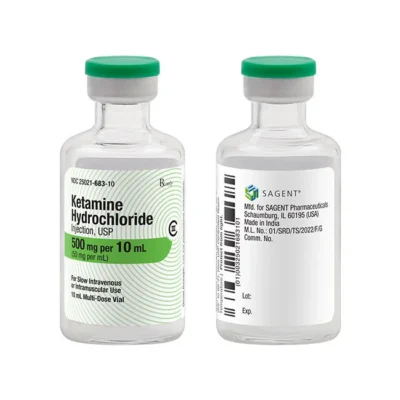
Ketamine’s human medical uses are far more significant than its veterinary applications. Here’s how it benefits human health:
🏨 Anesthesia and Emergency Medicine
- Battlefield and trauma anesthesia: Ketamine was extensively used during the Vietnam War to treat wounded soldiers. Its ability to provide pain relief without suppressing breathing made it invaluable in combat situations where respiratory support was limited.
- Pediatric anesthesia: A drug of choice for children undergoing minor procedures or as an induction agent before intubation. It is particularly useful for children with cyanotic heart disease or neuromuscular disorders.
- Emergency department use: Used for sedation during painful procedures (e.g., bone setting, wound debridement). A 2011 clinical practice guideline supports its use in emergency medicine.
- Asthma and respiratory conditions: Due to its bronchodilating properties, ketamine is safe for patients with asthma, COPD, or severe reactive airway disease.
🧠 Mental Health: A Breakthrough in Depression Treatment
Ketamine has revolutionized depression treatment, particularly for treatment-resistant cases:
- Rapid antidepressant effects: Unlike traditional antidepressants (which take weeks to work), ketamine can reduce depressive symptoms within hours.
- Suicidal ideation: Studies show that a single intravenous dose of ketamine can rapidly reduce suicidal thoughts, making it a lifesaving option for patients in crisis.
- Esketamine (Spravato): The S-enantiomer of ketamine was approved by the FDA in 2019 as a nasal spray for treatment-resistant depression.
- WHO Essential Medicines List: Ketamine is included in the World Health Organization’s List of Essential Medicines, highlighting its global medical importance.
🩹 Pain Management
- Acute pain: Used in emergency departments for refractory or intractable pain. It reduces morphine use, pain levels, nausea, and vomiting post-surgery.
- Chronic pain: Effective for neuropathic pain, fibromyalgia, and complex regional pain syndrome (CRPS). Ketamine counters spinal sensitization, a key factor in chronic pain conditions.
- Opioid tolerance: Ketamine can prevent opioid-induced hyperalgesia (increased sensitivity to pain caused by opioid use).
🔬 Research and Future Applications
Researchers are exploring ketamine’s potential in:
- PTSD (Post-Traumatic Stress Disorder)
- OCD (Obsessive-Compulsive Disorder)
- Anxiety disorders
- Neuroplasticity and brain repair
For those interested in buying ketamine for research, its versatile pharmacological profile makes it a valuable compound for studying neurochemistry, anesthesia, and mental health treatments.
🔬 How Does Ketamine Work? Mechanism of Action?
🧠 NMDA Receptor Antagonism: The Primary Mechanism
Ketamine’s primary mechanism of action is as an NMDA (N-Methyl-D-Aspartate) receptor antagonist. NMDA receptors are a type of glutamate receptor in the brain, involved in:
- Synaptic plasticity (the brain’s ability to adapt and change)
- Memory formation
- Pain perception
- Mood regulation
By blocking NMDA receptors, ketamine:
- Disrupts normal glutamate signaling, leading to a dissociative state (detachment from reality).
- Increases AMPA receptor activity, which stimulates brain-derived neurotrophic factor (BDNF). BDNF promotes neuroplasticity (the growth of new neural connections), which is believed to underlie its antidepressant effects.
- Inhibits the reuptake of dopamine and serotonin, contributing to its mood-enhancing and hallucinogenic effects.
Additional Mechanisms
While NMDA antagonism is the primary mechanism, ketamine also interacts with other systems:
- Opioid receptors: At high doses, ketamine binds to μ-opioid receptors (though it does not act as a full agonist).
- Sigma receptors: Involved in its psychoactive effects.
- Muscarinic receptors: Contribute to its dissociative and hallucinogenic properties.
- Voltage-gated calcium channels: May play a role in its analgesic and anesthetic effects.
Why This Matters for Research
Understanding ketamine’s mechanism of action is crucial for:
- Developing new antidepressants with fewer side effects.
- Improving anesthetic techniques for both human and veterinary medicine.
- Exploring its potential in neuroprotection and brain repair.
For researchers looking to buy ketamine hydrochloride for sale, its complex pharmacology offers endless possibilities for scientific discovery.
Ketamine Side Effects: Risks and Safety Considerations
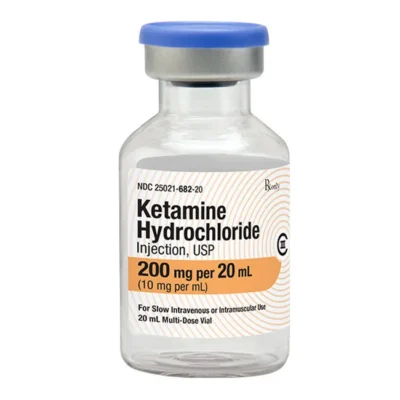
While ketamine is generally safe when used medically or veterinarily, it does carry potential side effects, particularly with recreational or chronic use. Understanding these risks is essential for safe handling and administration.
🩺 Short-Term Side Effects
| Effect | Description | Severity |
|---|---|---|
| Dissociation | Feeling detached from reality (“K-hole” at high doses) | Moderate to severe |
| Hallucinations | Visual, auditory, or sensory distortions | Moderate |
| Nausea and vomiting | Common, especially with oral or intramuscular administration | Mild to moderate |
| Dizziness | Can occur during onset or recovery | Mild to moderate |
| Increased heart rate | Due to its cardiovascular stimulant effects | Mild to moderate |
| Elevated blood pressure | Temporary increase, usually not dangerous in healthy individuals | Mild to moderate |
| Confusion | Post-anesthetic emergence reactions (more common in adults) | Mild to moderate |
Long-Term Side Effects
Chronic or high-dose recreational use can lead to serious health complications:
- Bladder and urinary tract damage: Known as “ketamine bladder syndrome,” characterized by painful urination, blood in urine, and reduced bladder capacity. In severe cases, it can lead to bladder removal.
- Kidney disease: Linked to chronic ketamine abuse.
- Memory and cognitive impairment: Long-term use may affect learning and memory.
- Psychosis: High doses or frequent use can trigger psychotic episodes, including delusions and paranoia.
- Addiction and dependence: While less addictive than opioids, ketamine can lead to psychological dependence.
- Tolerance: Regular users may develop tolerance, requiring higher doses for the same effects.
Contraindications
Ketamine should not be used in individuals with:
- Severe heart disease (e.g., ischemic heart disease, uncontrolled hypertension)
- Severe liver disease
- Uncontrolled psychosis or schizophrenia
- History of ketamine-induced psychosis
- Pregnancy (unless absolutely necessary, as safety data is limited)
Harm Reduction for Recreational Use
For those who choose to use ketamine recreationally (though we do not endorse this), harm reduction strategies include:
- Avoid frequent use (limit to occasional, low-dose use).
- Stay hydrated to protect the bladder.
- Use in a safe environment with a trusted tripsitter.
- Avoid mixing with other substances (especially alcohol, opioids, or stimulants).
- Test your substance to ensure it is pure ketamine (adulterants can increase risks).
For research purposes, always follow proper safety protocols when handling ketamine hydrochloride. At Chem14.com, we prioritize safety and legality, ensuring our products are only used for legitimate research.
Ketamine Legal Status: Where Is It Legal?
Ketamine’s legal status varies significantly by country, reflecting its medical value and potential for abuse. Below is a comprehensive overview of its legal classification in key regions:
| Country/Region | Legal Status | Medical Use | Veterinary Use | Recreational Use |
|---|---|---|---|---|
| United States | Schedule III (Controlled Substance Act) | Legal (FDA-approved) | Legal | Illegal |
| United Kingdom | Class B (Class A if prepared for injection) | Legal (prescription) | Legal | Illegal |
| Germany | § 48 AMG / § 1 MPAV (Prescription-only) | Legal (prescription) | Legal | Illegal |
| Australia | Schedule 8 (Controlled Drug) | Legal (prescription) | Legal | Illegal |
| Canada | Schedule I (Controlled Drugs and Substances Act) | Legal (prescription) | Legal | Illegal |
| European Union | Varies by country (e.g., Netherlands: List II; France: Stupéfiant) | Legal (prescription) | Legal | Illegal |
| India | Schedule X (Narcotic Drugs and Psychotropic Substances Act) | Legal (restricted) | Legal | Illegal |
| China | Class II Psychotropic Substance | Legal (restricted) | Legal | Illegal |
📜 Key Legal Considerations
- Medical and veterinary use is legal in most countries with a prescription or license.
- Recreational use is illegal in nearly all jurisdictions.
- Research use is permitted with proper licensing and compliance with controlled substance regulations.
- Possession without authorization can lead to fines, imprisonment, or both.
🔍 Where to Buy Ketamine Legally
For researchers, veterinarians, and medical professionals, ketamine can be legally purchased from licensed suppliers such as
- Chem14.com: A trusted vendor for high-quality research chemicals, including ketamine hydrochloride (CAS 1867-66-9). We offer discreet shipping to the UK, USA, Germany, Australia, and other countries where legal.
- Pharmaceutical distributors: For FDA-approved ketamine (e.g., Ketalar).
- Veterinary supply companies: For veterinary-grade ketamine.
⚠️ Important Note: Always verify the legal status in your country or state before purchasing ketamine. At Chem14.com, we do not sell ketamine for human consumption and strictly adhere to all legal regulations.
🔥 Ketamine vs. Other Anesthetics: How It Compares
Ketamine stands out from other anesthetics due to its unique pharmacological profile. Below is a comparison table highlighting its advantages and disadvantages relative to other common anesthetics:
| Feature | Ketamine | Propofol | Midazolam | Fentanyl |
|---|---|---|---|---|
| Mechanism | NMDA receptor antagonist | GABA receptor agonist | GABA receptor agonist | μ-opioid receptor agonist |
| Respiratory Depression | Minimal (preserves breathing) | Moderate to high | Moderate | High |
| Cardiovascular Effects | Stimulant (increases BP, HR) | Depressant (lowers BP) | Minimal | Depressant (lowers BP) |
| Onset of Action | Rapid (seconds to minutes) | Very rapid (seconds) | Moderate (1-5 min) | Rapid (1-2 min) |
| Duration | Short (10-30 min) | Ultra-short (2-10 min) | Short (15-60 min) | Short (30-60 min) |
| Dissociative Effects | Yes (hallucinations, detachment) | No | No | No |
| Analgesia | Yes (strong pain relief) | No | Mild | Yes (very strong) |
| Amnesia | Mild to moderate | Yes (anterograde) | Yes (anterograde) | No |
| Use in Asthma/COPD | Safe (bronchodilator) | Caution (respiratory depression) | Caution | Avoid respiratory depression. |
| Veterinary Use | Widespread (horses, cats, dogs) | Limited (dogs, cats) | Common (dogs, cats) | Common (pain management) |
💡 Why Ketamine Is Preferred in Certain Situations
- Emergency and field medicine: Its minimal respiratory depression makes it ideal for trauma patients or war zones where ventilation support is unavailable.
- Pediatric anesthesia: Safe for children due to its cardiovascular stability.
- Veterinary anesthesia: The go-to anesthetic for horses and large animals because of its safety profile.
- Treatment-resistant depression: Its rapid antidepressant effects make it a game-changer for mental health treatment.
For researchers looking to buy ketamine for sale, its unique properties make it a valuable compound for comparative pharmacological studies.
🚀 Ketamine in Research: Applications and Opportunities
Ketamine’s versatile pharmacology makes it a highly sought-after compound for scientific research. Below are some of the key research areas where ketamine is making an impact:
🧠 Neuroscience and Mental Health Research
- Depression and suicide prevention: Studying how ketamine’s NMDA antagonism leads to rapid antidepressant effects.
- Neuroplasticity: Investigating how ketamine promotes the growth of new neural connections.
- PTSD and anxiety: Exploring its potential in treating trauma-related disorders.
- Addiction: Researching its role in reducing cravings for opioids, alcohol, and cocaine.
🩺 Anesthesiology and Pain Management
- Mechanisms of dissociative anesthesia: Understanding how ketamine induces a trance-like state without respiratory depression.
- Chronic pain treatment: Developing new analgesics based on ketamine’s pain-relieving mechanisms.
- Opioid-sparing effects: Studying how ketamine can reduce opioid use in post-surgical pain management.
🐾 Veterinary Medicine Research
- Large animal anesthesia: Optimizing dosage and administration for horses, cattle, and wildlife.
- Wildlife and zoo medicine: Developing safe anesthetic protocols for exotic animals.
- Comparative pharmacology: Comparing ketamine’s effects across different species.
🧪 Drug Development
- Novel NMDA antagonists: Designing new drugs with ketamine-like benefits but fewer side effects.
- Enantiomer-specific research: Studying the differences between S-ketamine (esketamine) and R-ketamine (arketamine).
- Combination therapies: Exploring ketamine + other compounds for enhanced therapeutic effects.
🔬 Where to Buy Research-Grade Ketamine
For researchers, high-purity ketamine hydrochloride is essential for accurate and reproducible results. At Chem14.com, we offer:
- Pharmaceutical-grade ketamine (CAS 1867-66-9)
- Third-party tested for purity and authenticity
- Discrete and secure shipping to UK, USA, Germany, Australia, and other legal jurisdictions
- Competitive pricing for bulk and small-scale orders
- Detailed product information and safety data sheets (SDS)
📌 Visit Chem14.com to explore our ketamine for sale and other research chemicals for your scientific studies**.
❓ FAQ: Your Top Questions About Ketamine Answered
🔹 What is ketamine used for in horses
Ketamine is used in horses primarily as an anesthetic and sedative for surgical procedures, wound care, and pain management due to its safety and effectiveness.
In veterinary medicine, ketamine is one of the most commonly used anesthetics for horses. It is particularly valuable because the following:
- It does not suppress breathing, making it safer than many other anesthetics.
- It maintains cardiovascular stability, which is crucial for large animals.
- It provides rapid sedation and recovery, reducing the risk of complications.
- It can be combined with other drugs (e.g., xylazine, detomidine) for balanced anesthesia.
Veterinarians use ketamine for:
- Surgeries (e.g., colic surgery, castration, dental procedures)
- Wound management (e.g., suturing, debridement)
- Diagnostic procedures (e.g., endoscopy, radiography)
- Pain relief (e.g., laminitis, fractures)
For researchers studying veterinary applications, ketamine hydrochloride is a key compound available at Chem14.com.
🔹 Why do people call ketamine a horse tranquilizer?
People call ketamine a horse tranquilizer because it has been widely used in veterinary medicine to sedate horses and other large animals for medical procedures.
The term “horse tranquilizer” is a misleading oversimplification because:
- Historical use: Ketamine was first approved for veterinary use before its human medical applications were fully recognized.
- Media portrayal: The nickname gained traction in popular culture, often used dramatically or sensationally in news reports and movies.
- Street drug association: On the black market, ketamine is sometimes diverted from veterinary supplies, reinforcing the “horse tranquilizer” label.
- Lack of awareness: Many people are unaware of ketamine’s extensive human medical uses, leading to stereotyping.
However, ketamine’s role in human medicine is far more significant than its veterinary applications. It is a critical drug in anesthesia, emergency medicine, and mental health treatment.
🔹 Can humans take veterinary ketamine?
Technically yes, humans can take veterinary ketamine, as it is the same compound, but it is illegal and unsafe to use it without medical supervision.
While veterinary ketamine is chemically identical to human-grade ketamine, there are critical differences to consider:
- Legal issues: Using veterinary ketamine for human consumption is illegal in most countries. In the US, it is a Schedule III controlled substance, and unauthorized use can lead to legal consequences.
- Purity and safety: Veterinary ketamine may contain impurities or additives not approved for human use. It is also not sterile if repackaged improperly.
- Dosage risks: Veterinary doses are much higher than human doses. A dose for a horse (e.g., 500-1000 mg) could be fatal for a human.
- Medical supervision: Ketamine should only be used under medical supervision due to its potential side effects (e.g., dissociation, hallucinations, cardiovascular changes).
⚠️ Never use veterinary ketamine for human consumption. If you are considering ketamine therapy, consult a licensed medical professional or approved clinic.
For research purposes, always source ketamine from reputable suppliers like Chem14.com, which provide high-purity, research-grade compounds.
🔹 Is ketamine safe for humans?
Ketamine is safe for humans when used under medical supervision at appropriate doses, but it carries risks with recreational or improper use.
Ketamine has a strong safety profile in clinical settings when administered by trained professionals. Its advantages include the following:
- Preserved respiratory function: Unlike opioids or barbiturates, ketamine does not suppress breathing, making it safer for anesthesia.
- Cardiovascular stability: It stimulates the heart rather than depressing it, which is beneficial for trauma patients or those with low blood pressure.
- Rapid onset and short duration: Allows for quick sedation and recovery, reducing the risk of prolonged unconsciousness.
However, risks and side effects include:
- Dissociation and hallucinations: Can be distressing for some patients, especially at higher doses.
- Increased heart rate and blood pressure: May be dangerous for individuals with heart conditions.
- Emergence reactions: Confusion or agitation upon waking from anesthesia (more common in adults).
- Bladder and kidney damage: Associated with chronic or high-dose recreational use.
- Psychological dependence: While less addictive than opioids, ketamine can lead to psychological dependence with frequent use.
💡 Key Takeaway: Ketamine is safe in medical settings but not risk-free. Recreational use is strongly discouraged due to potential health risks and legal consequences.
🔹 Where can I buy ketamine for research?
You can buy research-grade ketamine from licensed suppliers like Chem14.com, which offers pharmaceutical-quality compounds for scientific studies.
For researchers, veterinarians, and medical professionals, high-purity ketamine hydrochloride is available from reputable suppliers that comply with legal and safety standards. At Chem14.com, we provide: ✅ Pharmaceutical-grade ketamine (CAS 1867-66-9)
✅ Third-party tested for purity (≥98%) and authenticity
✅ Discrete and secure shipping to UK, USA, Germany, Australia, and other legal jurisdictions
✅ Competitive pricing for bulk and small-scale orders
✅ Detailed product information and Safety Data Sheets (SDS)
✅ Compliance with all legal regulations
📌 Visit Chem14.com to explore our ketamine for sale and other research chemicals for your scientific studies**.
⚠️ Important: Always verify the legal status of ketamine in your country or state before purchasing. Never use research chemicals for human consumption.
🔹 What are the street names for ketamine
Common street names for ketamine include Ket, Special K, K, vitamin K, Kitty, and Super K, among others.
Ketamine has numerous slang terms, which vary by region and subculture. Some of the most common street names include:
- Ket
- Special K (or K)
- Vitamin K
- Kitty
- Super K
- Jet
- Cat Valium
- Green
- Purple
- Black Mamba (less common, often mixed with other substances)
These names are often used in recreational settings, where ketamine is snorted, swallowed, or injected for its dissociative and hallucinogenic effects. However, recreational use is illegal and carries significant health risks.
For researchers, it is important to distinguish between street names and scientific nomenclature (e.g., ketamine hydrochloride, CAS 1867-66-9).
🔹 How long does ketamine stay in your system?
Ketamine is typically detectable in urine for 1-2 weeks after use, in blood for 24-48 hours, and in hair for up to 3 months, depending on dosage and frequency of use.
The detection window for ketamine depends on several factors, including:
- Dosage: Higher doses take longer to metabolize and remain detectable for longer periods.
- Frequency of use: Chronic users may have longer detection times due to accumulation in the body.
- Metabolism: Individual liver and kidney function affects how quickly ketamine is broken down and eliminated.
- Type of test: Different drug tests have varying sensitivity and detection windows.
| Test Type | Detection Window | Notes |
|---|---|---|
| Urine | 1-2 weeks | Most common test for ketamine. Single use may be detectable for 3-5 days. Chronic use can extend to 2 weeks. |
| Blood | 24-48 hours | Detectable for a shorter period due to rapid metabolism. |
| Saliva | 24-72 hours | Less common but increasingly used in roadside drug testing. |
| Hair | Up to 3 months | Can detect long-term use but not single exposure. |
| Sweat | 1-2 weeks | Used in patch testing for continuous monitoring. |
Metabolism and Elimination:
- Half-life: 2.5-3 hours (ketamine), 12 hours (norketamine, its primary metabolite).
- Excretion: 91% in urine, 3% in feces.
- Primary metabolites: Norketamine, dehydronorketamine, hydroxynorketamine.
💡 Key Takeaway: If you are subject to drug testing, be aware that ketamine can be detected for days to weeks after use, depending on the type of test and your usage patterns.
🎯 Key Takeaways: The Truth About Ketamine
- Ketamine is indeed used as a horse tranquilizer in veterinary medicine, but this is only one of its many applications. It is far more significant in human medicine for anesthesia, pain management, and depression treatment.
- Ketamine is a dissociative anesthetic with a unique mechanism of action as an NMDA receptor antagonist, making it valuable for both medical and research purposes.
- Its chemical profile (CAS 1867-66-9, C13H16ClNO) and pharmacological properties make it a versatile compound for scientific studies.
- Side effects include dissociation, hallucinations, nausea, and cardiovascular changes. Chronic use can lead to bladder damage, kidney disease, and psychological dependence.
- Legal status varies by country, but recreational use is illegal in most jurisdictions. Research and medical use are permitted with proper licensing.
- Ketamine is safe in medical settings when administered by trained professionals, but recreational use carries significant risks.
- For research purposes, high-purity ketamine can be legally purchased from reputable suppliers like Chem14.com, which offer pharmaceutical-grade compounds with discreet shipping.
Call to Action: Explore Ketamine Research with Chem14
Are you a researcher, veterinarian, or medical professional looking for high-quality ketamine for your scientific studies? At Chem14.com, we provide:
✅ Premium ketamine hydrochloride (CAS 1867-66-9)
✅ Third-party tested for purity and authenticity
✅ Discrete and secure shipping to UK, USA, Germany, Australia, and other legal jurisdictions
✅ Competitive pricing and bulk discounts
✅ Comprehensive product information and safety guidelines
📌 Visit Chem14.com today to explore our ketamine for sale and other research chemicals for your scientific or veterinary needs. **
💬 Have questions? Contact our expert team at Chem14.com/contact-us for personalized assistance.
⚠️ Important Reminder: Always comply with local laws and regulations when purchasing and using research chemicals. Never use ketamine for human consumption without medical supervision.
📚 References
- Ketamine – Wikipedia
- Ketamine (hydrochloride) (Cayman Chemical)
- Ketamine – PubChem
- Ketamine – Tripsitter
- Ketamine – PsychonautWiki
- Ketamine – DrugBank
- Ketamine – Drugs.com
🔗 Internal Links for Further Reading:
- Buy research chemicals online | Chem14.com
- Ketamine for sale | Buy ketamine online
- Best research chemical vendor USA | Chem14
- Legit research chemical vendors USA | Chem14
- Research ethics and safety guidelines
- How to order research chemicals
- FAQ—Chem14
- PsychonautWiki – Ketamine
- Tripsitter—Ketamine Guide
🏷️ Tags:
#Ketamine #Horsetranquilizer #KetamineForSale #BuyKetamineOnline #ResearchChemicals #KetamineHydrochloride #CAS1867669 #DissociativeAnesthetic #NMDAReceptor #VeterinaryKetamine #KetamineResearch #Chem14 #BestResearchChemicalVendor #KetamineUSA #KetamineUK #KetamineGermany #KetamineAustralia